

In this article
- Are moringa, spirulina, wheatgrass and matcha the same kind of product?
- How do they differ in everyday use?
- Which contains caffeine?
- Which has the most protein or micronutrients?
- How does the evidence compare?
- Which should you choose?
- A practical decision framework
Are moringa, spirulina, wheatgrass and matcha the same kind of product?
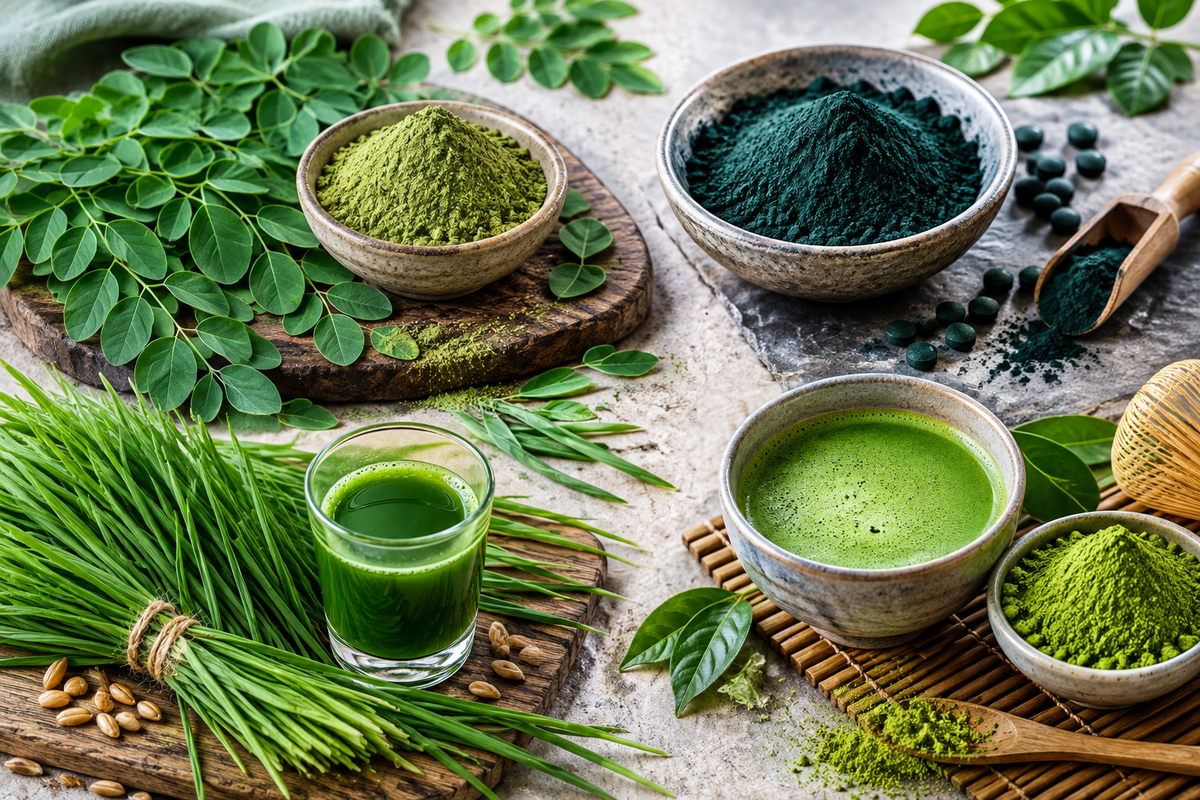
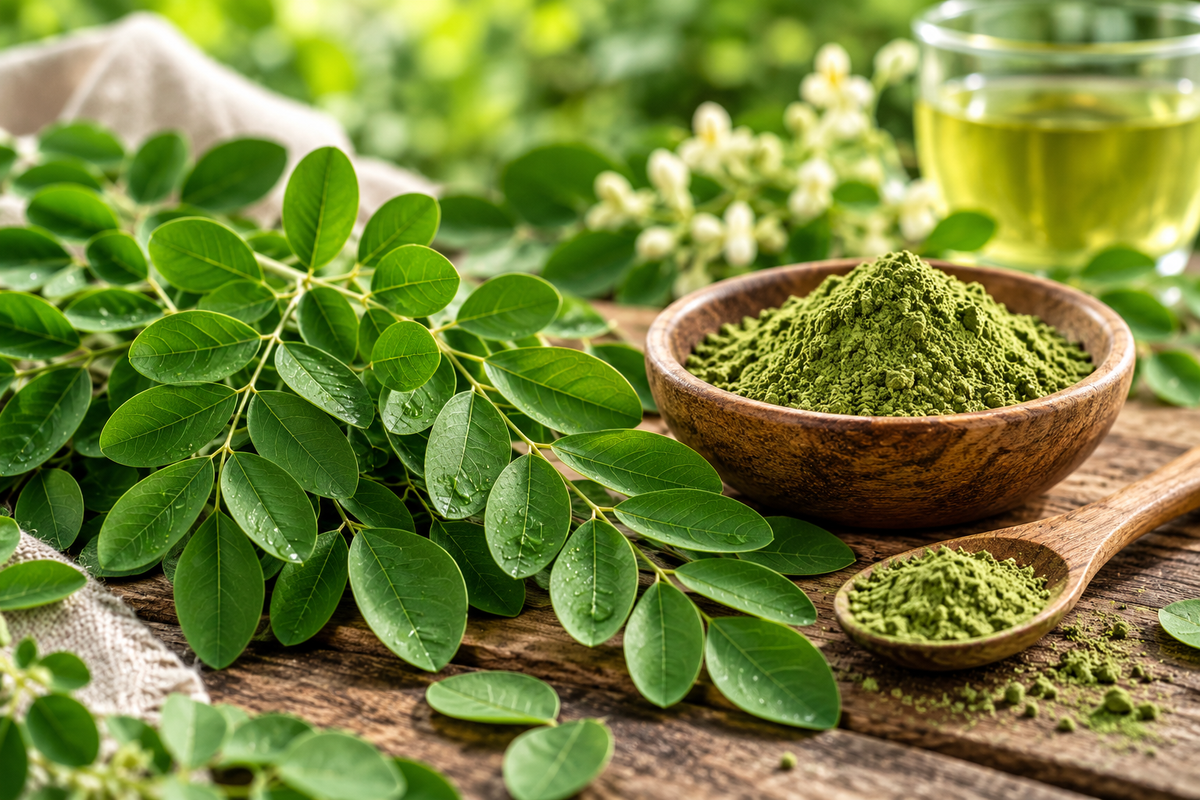
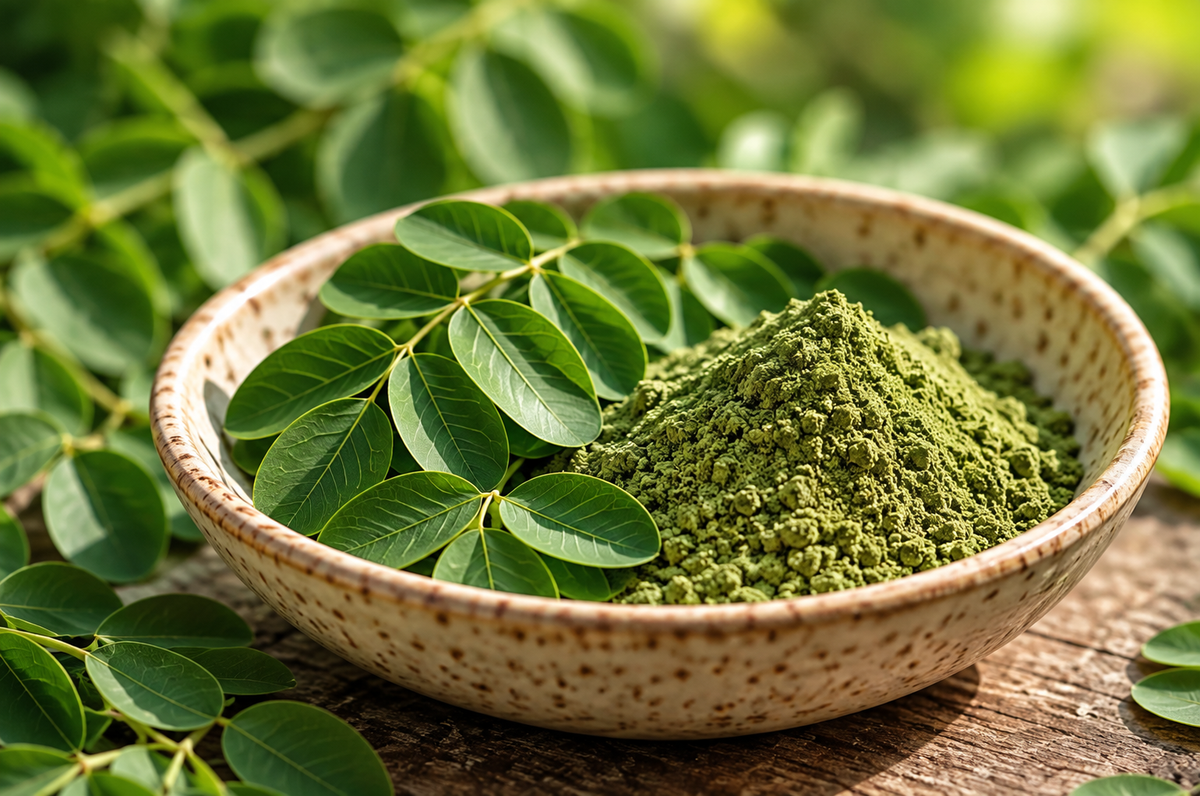
No. Moringa is the leaf of a tree, spirulina is a cyanobacterium commonly sold as a blue-green powder, wheatgrass is the young grass of wheat, and matcha is finely milled green tea leaf.
They differ in origin, taste, caffeine, typical serving size and the way they are used.
How do they differ in everyday use?
Matcha is usually prepared as a tea or latte. Spirulina and wheatgrass are commonly sold as food powders, tablets or ingredients in greens blends.
Forest Super Foods Moringa is different in Australia because it is supplied as a TGA-listed capsule medicine rather than a retail food ingredient.
Which contains caffeine?
Matcha naturally contains caffeine because it comes from the tea plant, Camellia sinensis.
Moringa leaf, spirulina and wheatgrass are not naturally used as caffeine sources.
Which has the most protein or micronutrients?
The answer depends on the exact product and the amount consumed. Spirulina is known for a high protein percentage by dry weight, while moringa leaf contains protein, fibre, vitamins, minerals and plant compounds. Wheatgrass and matcha have their own distinct nutritional profiles.
Per-100 g comparisons can be misleading when normal serves are very different. Compare the labelled serving amount of the actual products you are considering.
How does the evidence compare?
Each ingredient has a different history and product category, so there is little value in declaring one universally “best”.
For Forest Super Foods Moringa, the relevant listed uses are antioxidant activity and traditional Ayurvedic use to help relieve inflammation. Other products should be judged by their own ingredients, labels and intended use.
Which should you choose?
Choose based on what you actually want from the product. Matcha suits someone looking for a caffeinated tea ritual. Spirulina or wheatgrass may suit someone looking for a food-based greens ingredient. Forest Super Foods Moringa suits someone specifically looking for a listed whole-leaf moringa capsule with its stated indications.
Quality, personal suitability and the form of the product matter more than a generic superfood ranking.
A practical decision framework
First, decide whether you want a beverage, food powder or capsule medicine. Second, compare the actual serving sizes and ingredient lists. Third, consider caffeine, medicines, pregnancy and individual sensitivities. Finally, look at sourcing, processing and quality testing.
That approach is more useful than choosing solely because one plant contains more of a nutrient per 100 g.
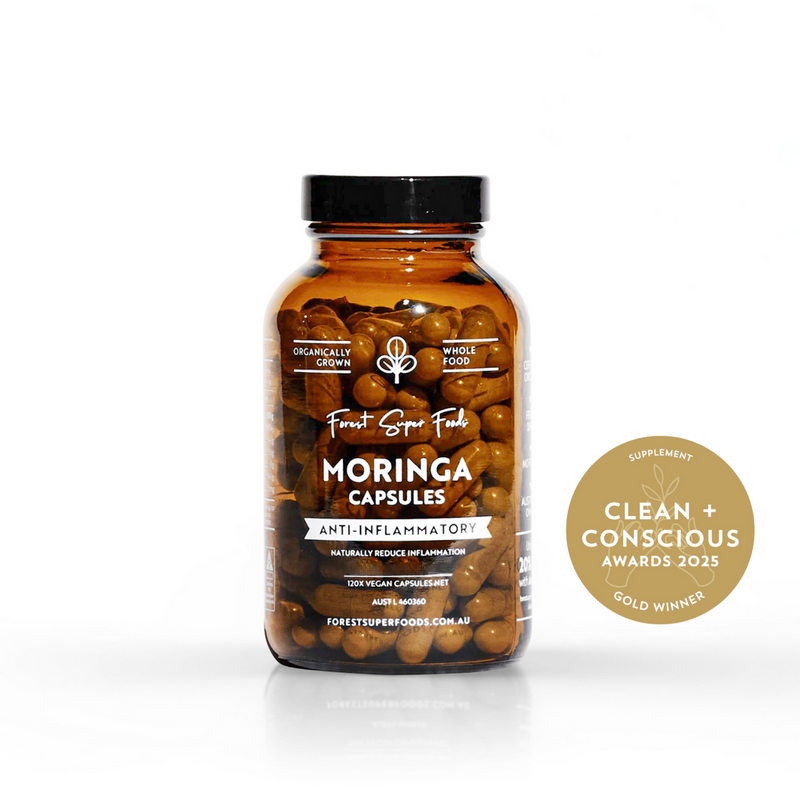
Forest Super Foods Moringa Capsules
Whole-leaf Moringa oleifera, 500 mg per capsule, organically grown, freeze-dried and TGA-listed as AUST L 460360.
Organic Moringa CapsulesA powerful supplement for your health and wellness. Order Now |

|
Frequently asked questions
Is moringa the same as spirulina?
No. Moringa is a tree leaf. Spirulina is a cyanobacterium.
Does moringa contain caffeine?
Moringa is not naturally used as a caffeine source. Matcha contains caffeine.
Is moringa better than wheatgrass or matcha?
There is no universal winner. They are different ingredients with different uses, serving sizes and product categories.

Leave a comment
All comments are moderated before being published.
This site is protected by hCaptcha and the hCaptcha Privacy Policy and Terms of Service apply.