

Real Health · Part 4
Researchers have spent decades studying the world's longest-lived populations — communities in Sardinia, Okinawa, Costa Rica, Greece and California where living past 100 is remarkably common. They're known as Blue Zones.
The question they set out to answer was simple: what do these people have in common?
After years of research, three things kept coming up.
1. Strong community and social connection
Blue Zones populations are embedded in tight communities. They eat together, celebrate together, support each other through hard times. Loneliness, by contrast, has been shown to have the same health impact as smoking 15 cigarettes a day.
This isn't something you can buy in a capsule. But it's worth taking seriously.
2. Natural daily movement
Blue Zones populations don't go to the gym. They walk everywhere. They garden. They move their bodies as a natural part of daily life rather than as a scheduled exercise routine. Consistent, low-intensity movement sustained over a lifetime appears to matter more than intense periodic exercise.
3. A whole food diet
This is where it gets interesting for anyone thinking about their supplement routine.
Blue Zones populations eat whole foods. Minimally processed. Mostly plants. Grown locally. They don't eat isolated compounds or concentrated extracts. They don't take synthetic vitamins. They get their nutrients the way humans have always gotten their nutrients — from food, in its complete form, with all the cofactors and companion compounds intact.
The supplement industry spent 70 years trying to isolate, concentrate and replicate what whole foods do naturally. Blue Zones research suggests the original was better all along.
Turmeric has been consumed safely for centuries across many of these cultures. Billions of people. No adverse effects. Then scientists extracted the active compound, concentrated it, and sold it as higher potency curcumin. The TGA has since received reports linking high-dose curcumin supplements to serious liver damage, including one fatality. The risk does not appear to exist when turmeric is consumed as a whole food.1
This is not an isolated case. When you strip a whole food to a single concentrated compound, you remove everything else nature put there for a reason. The cofactors that aid absorption. The balancing nutrients that prevent overconsumption. The full complexity that makes the food work safely over a lifetime.
The whole food consumed safely for thousands of years becomes a potential health risk when you strip it to a single concentrated compound.
What this means for your supplements
Blue Zones populations don't take supplements. But most of us aren't living in Sardinia or Okinawa. We're busy, we travel, we don't always eat as well as we'd like. That's the gap whole food supplements exist to fill.
The key word is whole food. Not an extract. Not a concentrate. The complete ingredient, as close to its original form as possible.
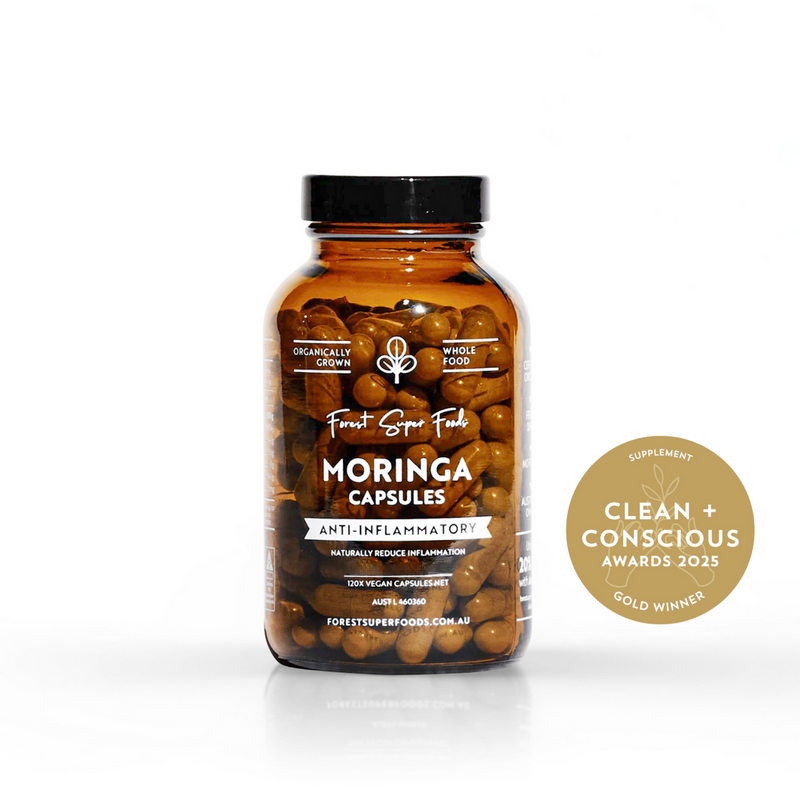
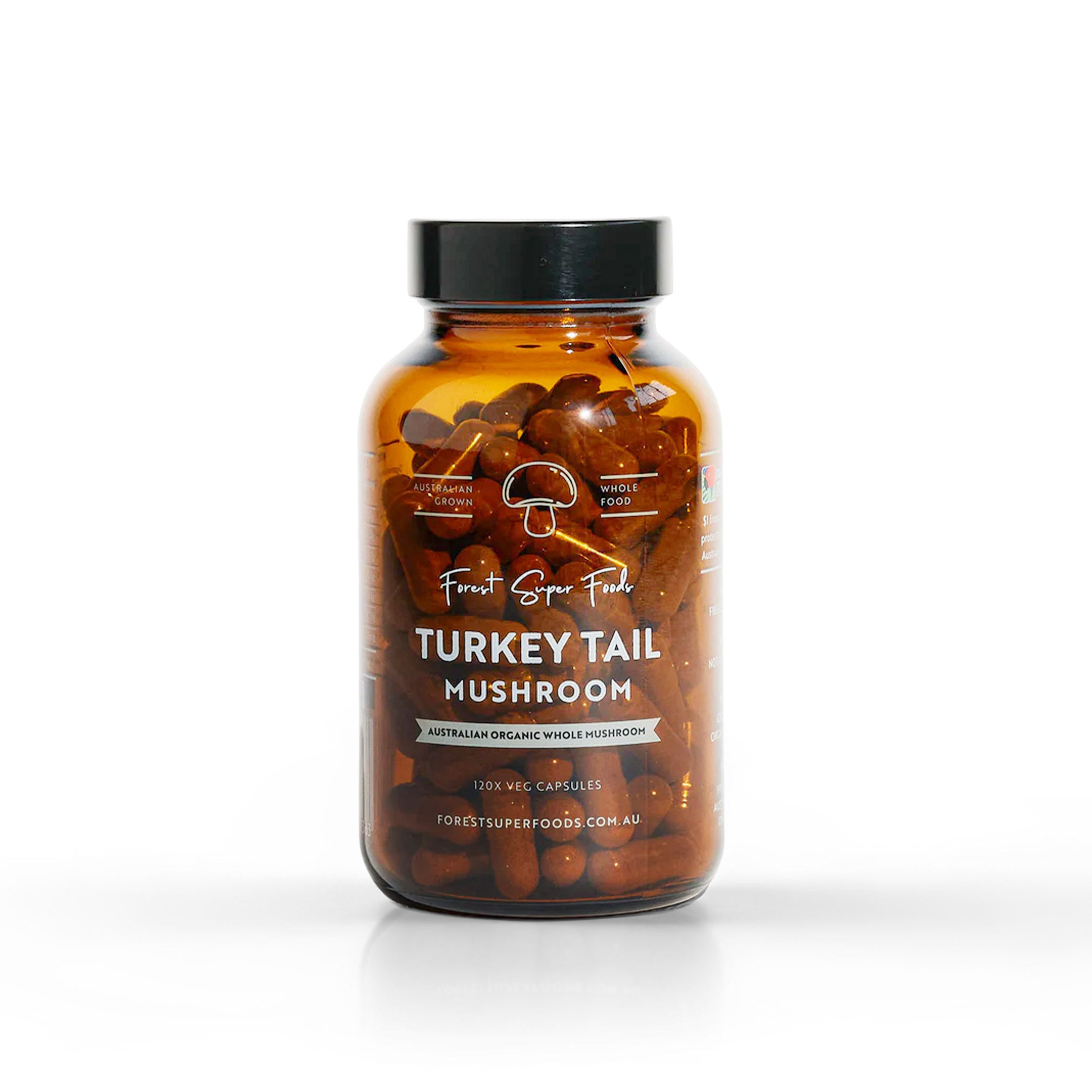
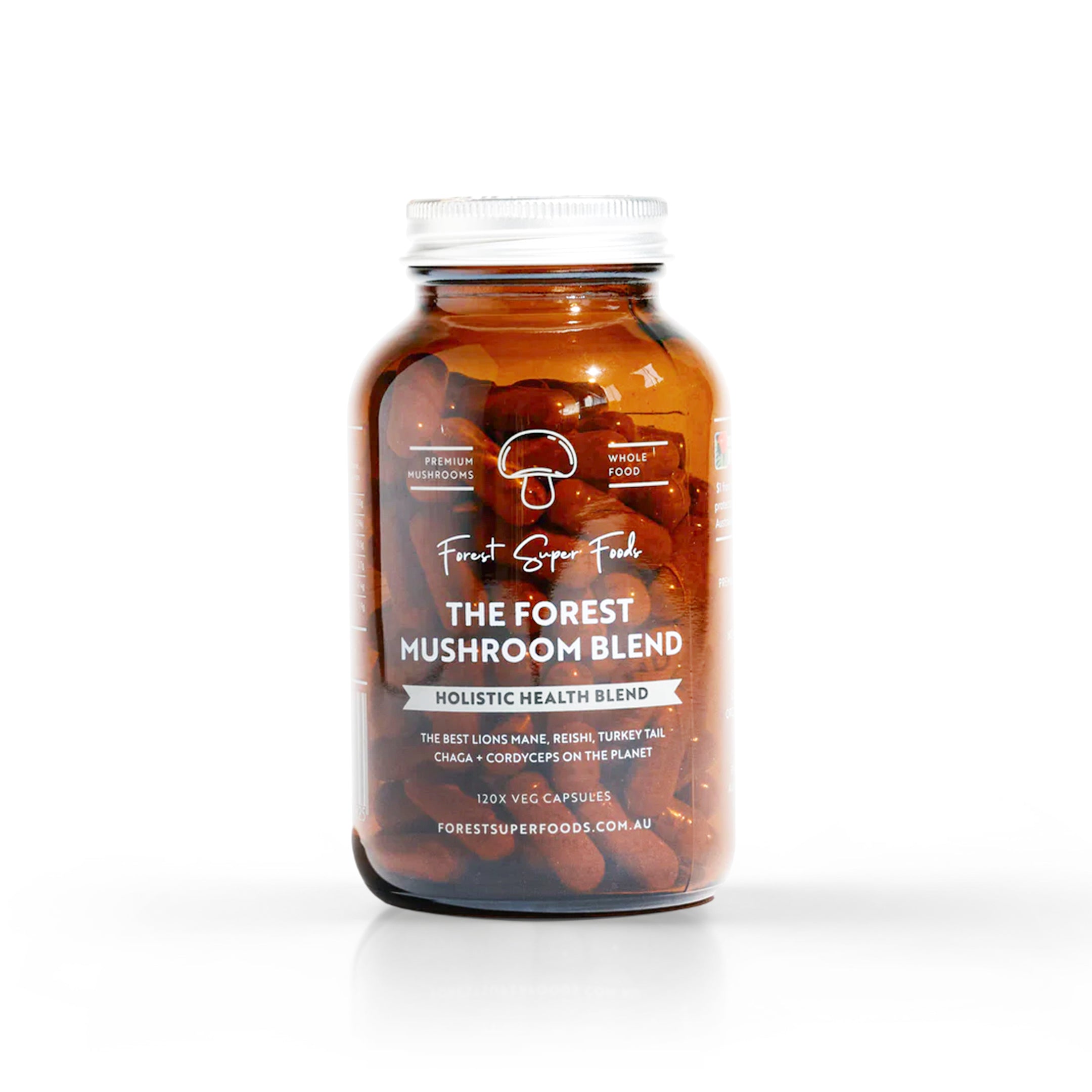
At Forest Super Foods every product contains one ingredient. The whole food itself, organically grown and freeze-dried to preserve up to 97% of fresh nutrient content. No extracts. No isolates. Nothing your body hasn't been recognising as food for hundreds of thousands of years.
We can't help with the community or the daily walks. But whole food nutrition is what we do.
"The push toward high-potency extracts concerns me professionally. We keep seeing cases where a concentrated isolated compound causes harm that the whole food never would. Nature put those other compounds there for a reason."
— Ange Gioffre, Clinical Nutritionist
1 Therapeutic Goods Administration. (2023). Medicines containing turmeric or curcumin: risk of liver injury. Australian Government Department of Health. tga.gov.au
|
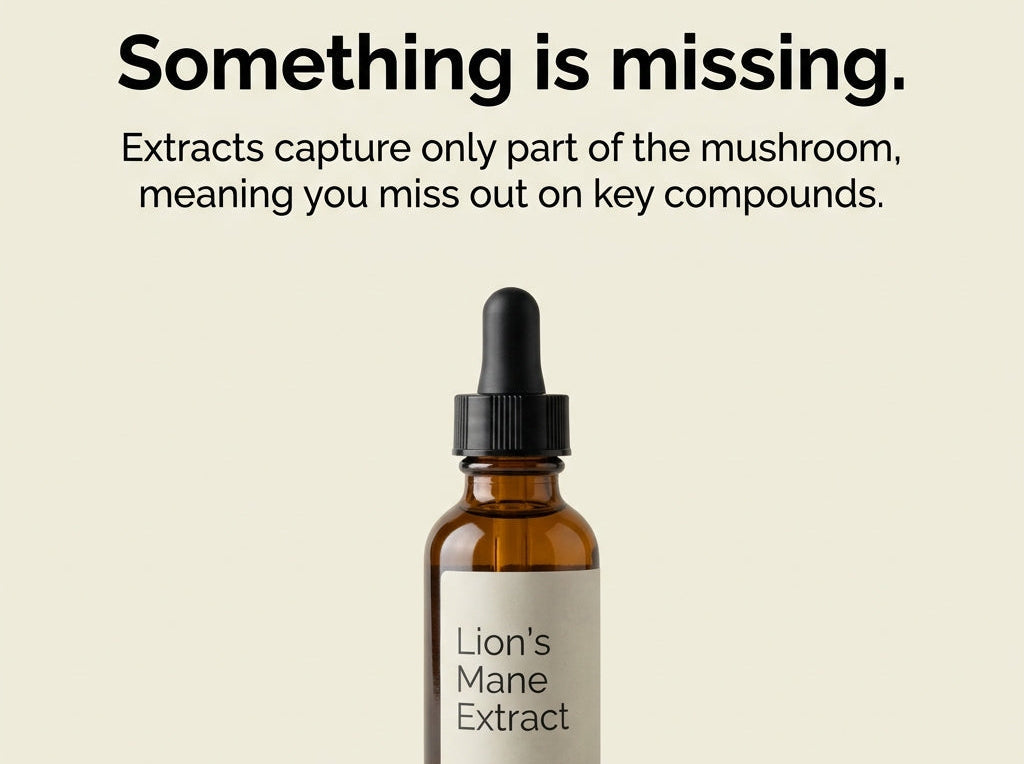
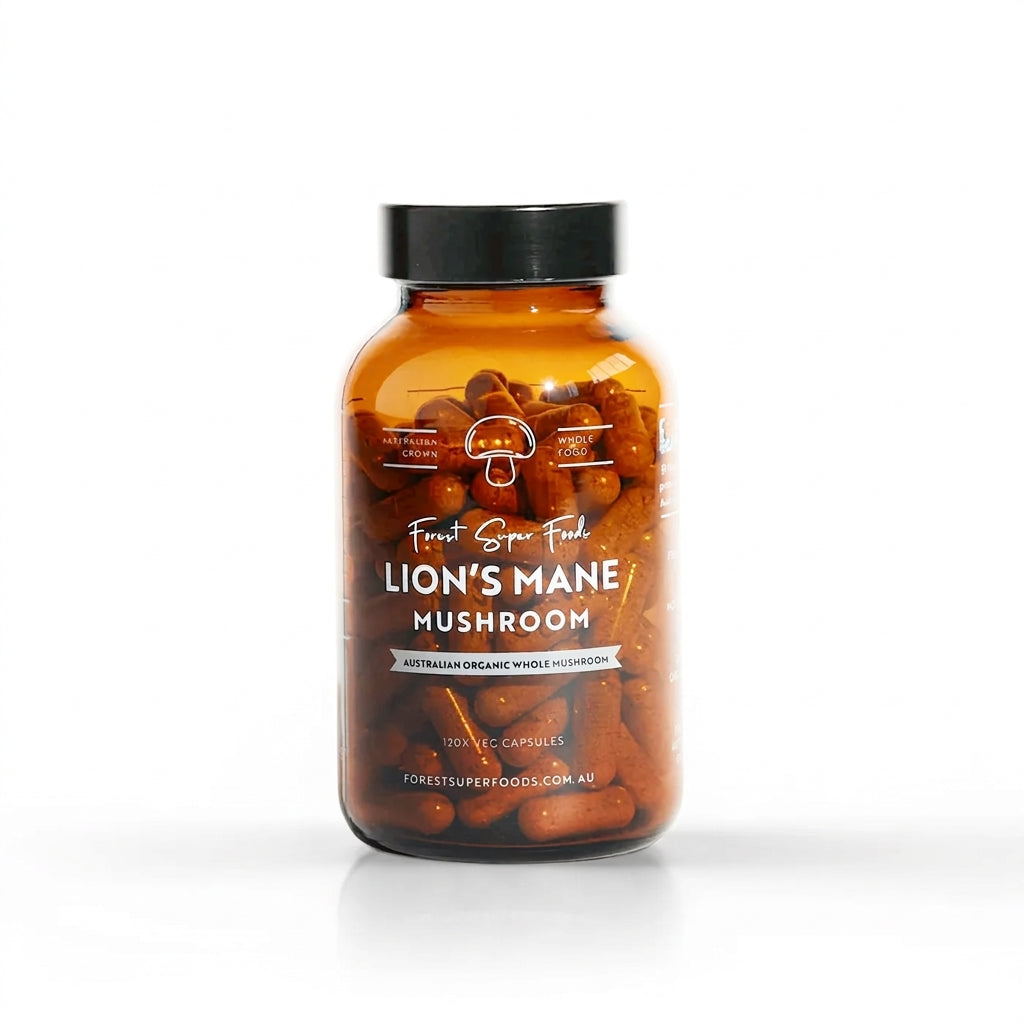
Whole food. Not an extract. Not a concentrate. Australian-grown Lion's Mane — fruiting body and mycelium. Freeze dried. No fillers. 94% would buy again. $89 Shop Lion's Mane → |

|




1 comment
Karen
Thankyou for this very informative information. Who knew?!! I love my Lion Mane,
thankyou for keeping it clean. Keep up the good work.
Leave a comment
All comments are moderated before being published.
This site is protected by hCaptcha and the hCaptcha Privacy Policy and Terms of Service apply.