

It gives my brain the tools it needs to get through each day. It's amazing!
Built by our in-house nutritionist to match your goals and lifestyle. Takes just 60 seconds.
Super Food Quiz







Not all Ashwagandha is equal.
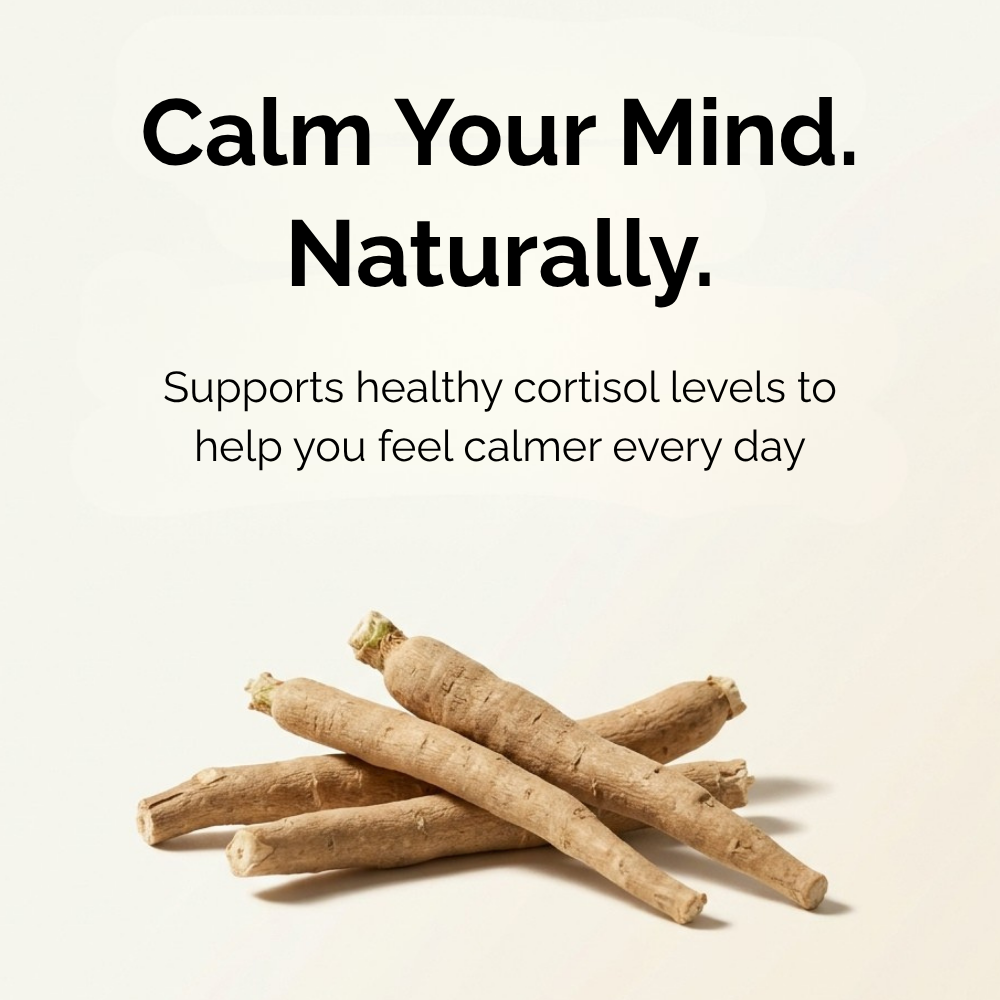
Traditionally used in Ayurvedic medicine to help the body adapt to stress and relieve symptoms of mild anxiety.
Choose a free gift with every subscription delivery. Your choices get better over time.
Sign-up gift (automatic with your first order)

$29.00 Value
Return any items you don't think are amazing up until the best before date (usually 2 years)
Spend $100 and express shipping is on us otherwise it's just $9.90






25+ years of experience as a clinician. Thousands of customers helped.
Still have a question? Can't find the answer you're looking for? Our Australian customer support team is here to help.
Overall rating: 4.7 / 5 from 823 reviews.
It gives my brain the tools it needs to get through each day. It's amazing!

Has helped so much with my anxiety and stress. Delivery was super quick.
We love the Ashwagandha, we tried a substitute when we ran out recently and it was not comparable to this, it's is part of our daily regime.

I have to say that anyone getting supplements from forest superfoods should really do their research. I say this because buying any supplement requires meticulous research in order to reach the goals that you want achieve with supplementation. Especially, from a place like forest superfoods who are known for selling very high quality supplements in its natural form which can be very potent. The ashwagandha that I have frequently purchased is very effective in managing stress, anxiety, improved cognitive function ,increasing energy levels and . However, from my experience the key to achieving these results is in the timing. Highly recommend it and would never buy from elsewhere after trying supplements at forest superfoods

Best sleep I’ve had in years

It has a calming effect on me. Glad I tried it.

The bottle is almost empty but I haven't really felt any improvement when it comes to anxiety...! Going to give it more time to be able to give a fare review.

I have been using for a while and it has help me a lot.

Overall this supplement does help to "Zonk Out" however I have noticed some side effects such as hot flushes and liver discomfort when taking this product so I have decided to discontinue. In addition I seem to have an allergic reaction to the capsules. I don't get this reaction with natures sunshine capsules so perhaps there are some pointers here for product improvement.

I can see the presentation of the product is high. I can’t fault or like so far as I am unsure if I am getting any benefit after almost through my first bottle.. it’s a maybe from me. Wait and see if I notice a difference after coming off this product✌🏼

Forest Super Foods Ashwaganda has really helped me sleep at night. It calms me down from a long day of work. I take it about an hour before sleep.

Helps me sleep take before bed great product

The only Ashwagandha I would buy!

I do love it

Stress and anxiety has reduced over the past 4 weeks of taking these, great investment.

I am so glad that I found this product As a busy mum with 4 young kids i was finding it tough at stressful times. I wanted something natural to help me calm and ease my thoughts and this product has done that for me .I take 2 tablets in the morning and 2 at night and could notice a different within the first 3 weeks ! Honestly feel more like my true self again and parenting feels alot less stressful and my mind can handle those stressful moments with ease.

It's amazing how well it works for stress and anxiety.

Highly recommended!

I've been using this product a few weeks now I I'm liking it very much I'm a bit claimer and I'm sure the longer I take it the better I will be thankyou

Im on my second bottle of Ashwaganda now as it really helps with my anxiety. I feel more relaxed at night which is when I take it. An hour before bed. I love all the forest mushrooms & will continue to support my body with each one. Thankyou once again 🙏

Love love

This has majorly helped me with my anxiety and stress Best purchase

Incredible products that actually work!

This year has proved stressful, so by upping my daily Ashwagandha, I have had plenty of sleep and daily calm to deal with life's challenges. I have recommended it to my sister and she's grateful too. Wonderful product, thankyou Forest Super Foods

It’s to early to give an educated opinion there dose sem to be some effect

Great product! I take one tablet a day and it’s been really effective. I’ve noticed a real difference, and it genuinely helps. Definitely recommend.

Pure ingredients packaged perfectly. Love the glass bottles.

I’ve been taking the Ashwagandha from Forest Superfoods for a few weeks and I’m really happy with it. I’ve noticed calmer energy, better sleep, and a general sense of balance. The quality feels clean and pure — no fillers or strange taste. It’s subtle but effective when taken consistently. Definitely recommend this for anyone looking for natural stress and sleep support!

Almost finished my first jar of Ashwagandha root, and wow what a difference it has made to my stress levels and my sleep has improved dramatically, Also being menopausal my anger bursts has decreased, my hubby has noticed, I have tried so many other supplements, however none have worked so fast and so well like this! I highly recommend Ashwagandah Root from Forest Super foods, I have ordered another 3 jars! I just hope they don’t run out too soon.

It started to work towards the end of my first bottle. My mind is slowly starting to relax and sleep is improving. The quality of the product is very good. Hopeful that the improvement will continue by leaps and bounds as I so dearly miss a restful night. I feel I m on a good supplement and will definitely continue. Thanks Forest Superfoods.👍

Done

It takes the edge off. Much more relaxed using it and improved sleep. I love how good the quality of the mushrooms are after watching the video about freeze dried. Keep up the good work Forest super foods.

I started taking this a couple of months ago after trying the one from the chemist which did nothing 😐 . I was attracted to the fact that this is pure with no added extras and the fact that it was an Australian own company. Best thing I've ever done, I take this twice a day and it's helped with my moods, my ability to think rationally and overall wellness. I've recommended this product to many of my friends and they love it.

Fabulous product- calming especially just before bed! Late afternoon with a cuppa tea, helps focus in doing the tedious admin…

This has helped normalise my sleep, I had no sleep cycles or deep sleep, now I do! heck out the photo!

Taking ashwagandha from Forest Super Foods after a long day at work before bed knocks me out in 20 minutes Great product highly recommend

This product is helping me feel calmer & sleep better most nights, as I suffer from chronic insomnia

First one was one-off purchase after 3 weeks I subscribed with 4 different supplements. Highly recommended 👍

Taking ashwagandha from Forest Super Foods before sleep literally in 10 minutes helps me sleep after a long day's of work

I felt wonderful after taking this product. Good sleeping conditions . And relaxed