


Real Health · Part 3
Most people assume the ingredient list on a supplement label tells the whole story. It doesn't — and in many cases, the law doesn't require it to.
What fillers actually are
Fillers, binders and bulking agents are inactive ingredients added to supplements during manufacturing. They exist to make products easier and cheaper to produce — helping ingredients flow through machinery, hold their shape in a capsule, or simply bulk out the product so it looks like you're getting more than you are.
Common fillers include magnesium stearate, silicon dioxide, microcrystalline cellulose, talc and maltodextrin. Some are relatively inert. Others have been shown to alter gut microbiome composition in clinical trials.2 None of them should be in something you're taking to improve your health.
The part that should make you angry
For TGA-listed products in Australia, fillers and excipients are not required to appear on the ingredient label in the same way active ingredients are.1 This means a capsule could contain far more filler than active ingredient — and you'd have no way of knowing from the label alone.
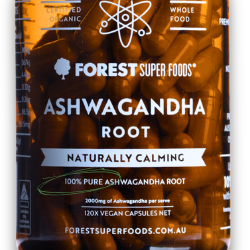
Think about what that means in practice. A $13 Ashwagandha at the pharmacy might contain as little as 10% actual Ashwagandha. The rest is cheap filler. No wonder it doesn't work — you're barely getting any Ashwagandha at all.
If it's mostly filler, the cheap price is an illusion.
This is how a $13 supplement is possible. Take a small amount of low-grade ingredient, add a significant amount of cheap filler, press it into a capsule, and sell it at a price that looks too good to be true.
Because it is.
How to tell if you're paying for fillers
Here's the 10-second label check that most supplement brands hope you never do:
Step 1 — Find the "Other Ingredients" section. On most supplement labels, active ingredients are listed first. Then there's a section called "Other Ingredients" or "Excipients." This is where fillers hide. If you see a long list of unfamiliar compounds — magnesium stearate, microcrystalline cellulose, silicon dioxide, maltodextrin — they're fillers.
Step 2 — Look for "100% pure" or "no fillers" on the label. Brands that don't use fillers make it central to their marketing because it's genuinely rare and genuinely difficult to manufacture without them. If you can't find either of those phrases anywhere on the label or the brand's website, assume fillers are present.
Step 3 — Check the serving size vs the ingredient amount. If a capsule contains 500mg total but only 50mg of the active ingredient is listed — the rest is something else. Do the maths. What you're not being told is often more revealing than what you are.
Step 4 — Ask directly. Email the brand and ask: "What percentage of each capsule is the active ingredient?" If they can't or won't answer, that tells you everything.
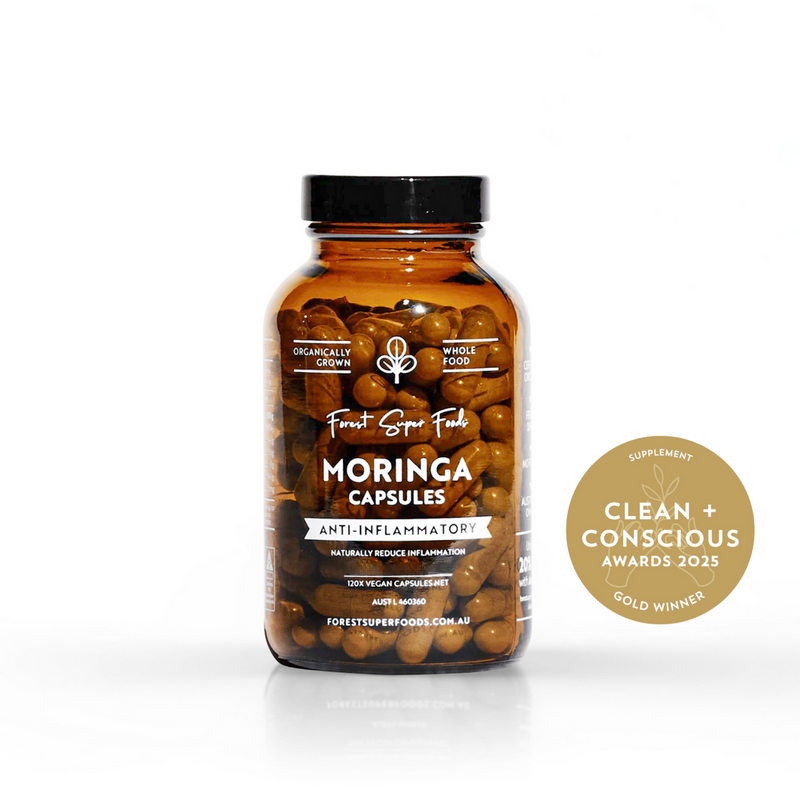
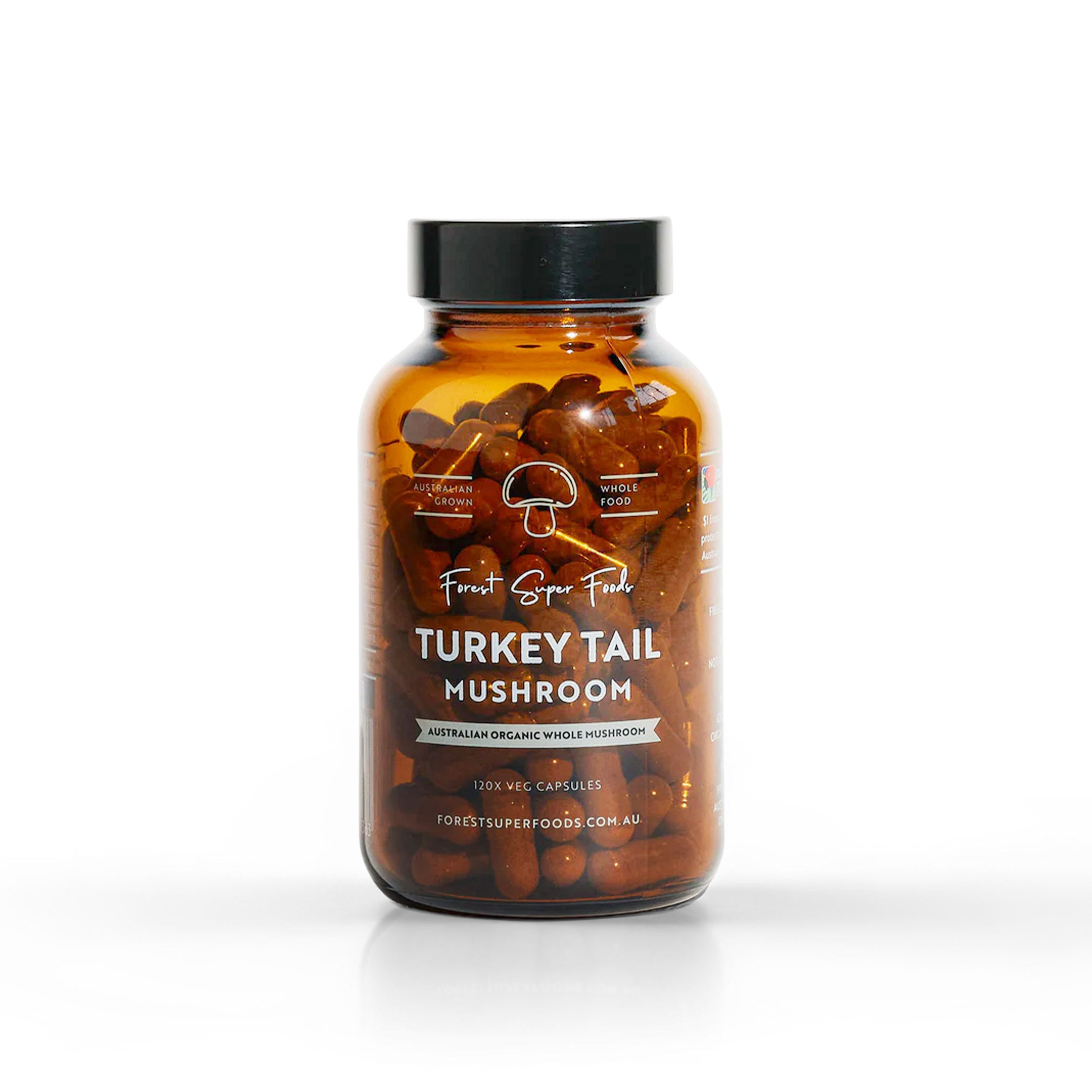
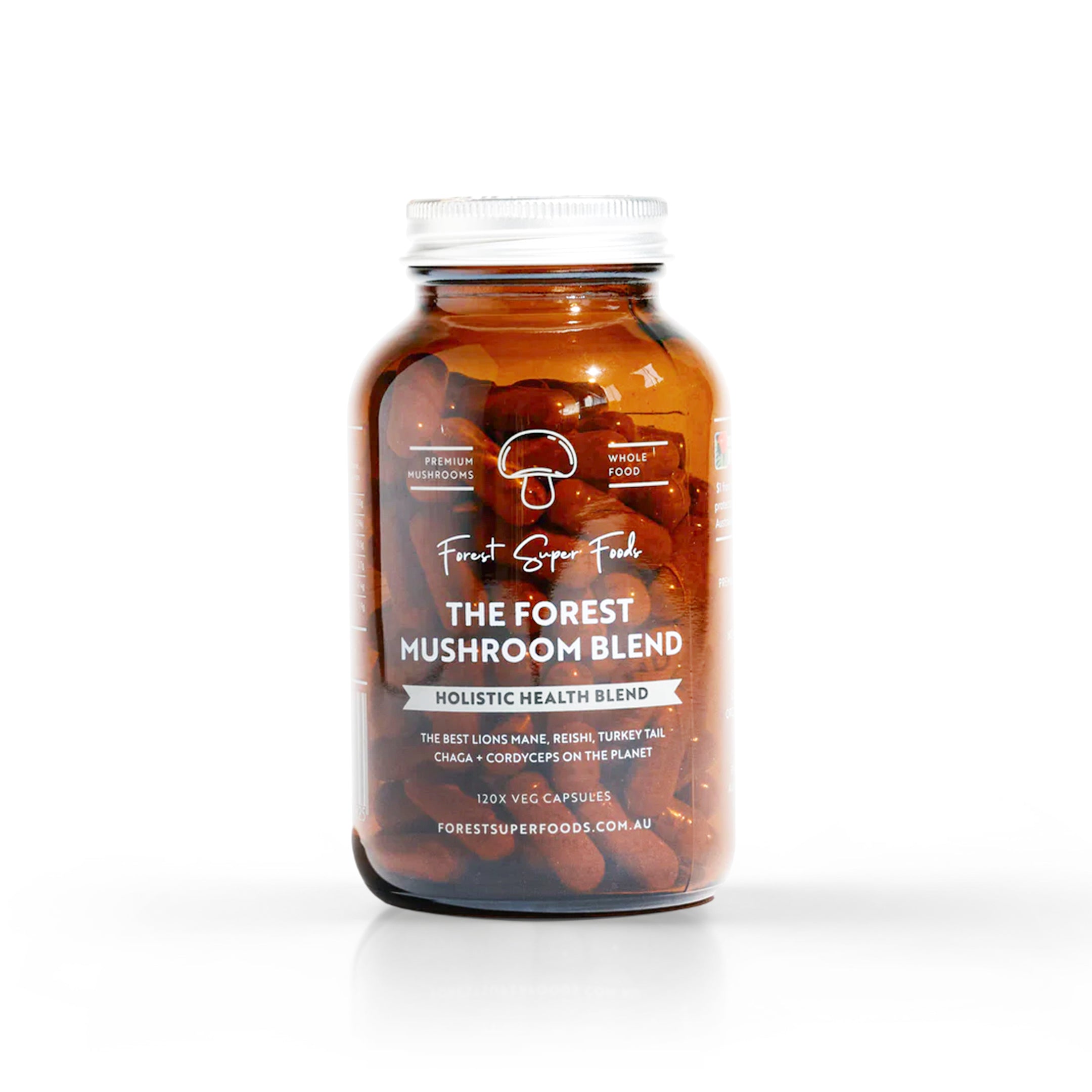
At Forest Super Foods, every product contains one ingredient. The whole food itself — organically grown, freeze-dried and encapsulated. No flow agents. No binders. No bulking agents. Nothing your body doesn't need. The answer to that question is always 100%.
"One of the first things I look for when evaluating a supplement is whether it says 100% pure on the label. The fillers are how the margins work."
— Ange Gioffre, Clinical Nutritionist
Next in the Real Health series: why "10x concentrated" might actually mean 10x less effective — and the supplement the TGA linked to liver damage.
1 Therapeutic Goods Administration. Therapeutic Goods Order No. 92 — Standard for labels of non-prescription medicines (TGO 92). Australian Government Department of Health. tga.gov.au
2 Almutairi, R. et al. (2022). Validity of food additive maltodextrin as placebo and effects on human gut physiology: systematic review of placebo-controlled clinical trials. European Journal of Nutrition, 61, 1095-1113.
|
100% pure organic Ashwagandha. Nothing else. Whole root. Freeze dried. TGA listed. No fillers. No extracts. No surprises. $65 Shop Ashwagandha → |

|



Leave a comment
All comments are moderated before being published.
This site is protected by hCaptcha and the hCaptcha Privacy Policy and Terms of Service apply.